Description
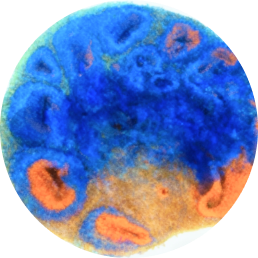
Human iPSC-Derived Forebrain Organoid, derived from human induced pluripotent stem cells (iPSCs), are analyzed for astrocyte genes, revealing markers of mature astrocytes that are only present in organoids aged 6 months. Under the influence of key pattern-forming factors, these organoids differentiate into forebrain cortical cells that conform to the expected timeline of human forebrain development and express dorsal forebrain markers such as FoxG1, Otx2, and Emx1. Each batch of organoids undergoes rigorous quality control to ensure they are free from mycoplasma, bacteria, and fungal/yeast contamination, and to verify their identity, genetic stability, and functional performance. These organoids are ideal models for studying neural development, drug screening, and forebrain-related diseases such as Alzheimer’s disease.
Specifications & Applications
Growth Properties
Embedded 3D Culture
Quality Control
All test negative for mycoplasma, bacteria, yeast, and fungi.
Application
For research use only. Forebrain cortical organoids derived from human iPSC lines are complex cellular 3D tissue models that mimic in vivo cell-cell interactions in the cortex. These models are useful for studies of human brain biology, disease mechanisms and candidate drug testing (e.g. neurotoxicity, target engagement, mechanism of action).