Description
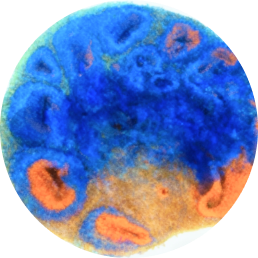
Human iPSC-derived cerebral organoid are differentiated from iPSCs. As three-dimensional in vitro models, cerebral organoids effectively replicate the cellular composition and structural organization of human cerebral cortex layers II to VI. Cerebral organoids primarily express glutamatergic, GABAergic, and dopaminergic neurons within 100 days of differentiation. Cerebral organoids are highly valuable for modeling neurodegenerative processes, including responses to PFF-induced toxicity and can be used in the study of Alzheimer’s disease. Organoids are rigorously tested for mycoplasma, bacteria, fungi/yeast, and verified for identity, genetic stability, and functional performance.
Specifications & Applications
Growth Properties
Embedded 3D Culture
Quality Control
All test negative for mycoplasma, bacteria, yeast, and fungi.
Application
For research use only. iPSC-derived organoids are used in various research fields, including disease modeling, drug discovery, gene therapy evaluation, and personalized medicine. They can replicate diverse disease states, providing reliable platforms for studying neurodegenerative diseases, cancer and more. Additionally, organoids are valuable for drug efficacy and safety testing, tissue regeneration studies, and exploring host-microbe interactions, advancing innovation in biomedical research.