Description
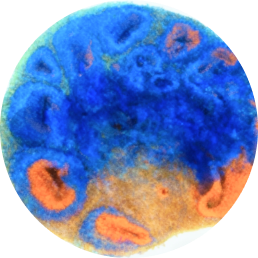
Mouse kidney organoids are three-dimensional tissue models derived from mouse pluripotent stem cells or primary renal progenitors. These organoids closely replicate the murine kidney structure, including nephron-like segments such as podocytes, proximal tubules, and collecting ducts. As a model, they are ideal for studying murine-specific kidney development, nephrogenesis, and renal disease mechanisms that are unique to rodents. Mouse kidney organoids serve as a foundational model for investigating renal diseases, nephron patterning, and preclinical drug screening tailored for the mouse species. They also provide critical insights into the molecular pathways involved in kidney function and disease, making them essential for rodent-based research applications.
Specifications & Applications
Growth Properties
Embedded 3D Culture
Quality Control
All test negative for mycoplasma, bacteria, yeast, and fungi.
Application
For research use only. Tissue-derived organoids are widely used in drug screening, disease modeling, mechanism research, personalized medicine, and regenerative medicine. By simulating authentic disease states, these organoids provide an ideal platform to assess patient responses to new drugs and assist in the design of personalized treatment plans. Additionally, they drive the development of new therapeutic approaches, particularly in cancer research and organ regeneration, offering precise experimental tools that greatly enhance the advancement of precision medicine.