Description
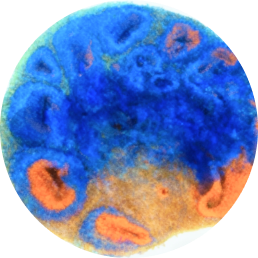
Bovine liver organoids originate from cattle hepatic stem/progenitor cells and maintain the cellular diversity of bovine hepatic epithelium, encompassing hepatocytes and cholangiocytes while reconstituting the urea cycle, carbohydrate/lipid metabolism, and xenobiotic metabolism. Research applications include ruminant liver pathophysiology, monitoring of antibiotic and veterinary-drug residues, and evaluation of nutrition-related metabolism and production traits. Organoids can be cryopreserved in FBS/DMSO/Y-27632 freezing medium and efficiently revived after long-term storage. All batches are cleared by mycoplasma/bacterial/fungal testing and confirmed for identity and genetic stability (e.g., lineage markers, species-specific PCR or STR, karyotype/sequencing) with release based on functional metrics such as albumin secretion, urea production, and CYP induction.
Specifications & Applications
Growth Properties
Embedded 3D Culture
Quality Control
All test negative for mycoplasma, bacteria, yeast, and fungi.
Application
For research use only. Tissue-derived organoids are widely used in drug screening, disease modeling, mechanism research, personalized medicine, and regenerative medicine. By simulating authentic disease states, these organoids provide an ideal platform to assess patient responses to new drugs and assist in the design of personalized treatment plans. Additionally, they drive the development of new therapeutic approaches, particularly in cancer research and organ regeneration, offering precise experimental tools that greatly enhance the advancement of precision medicine.