Description
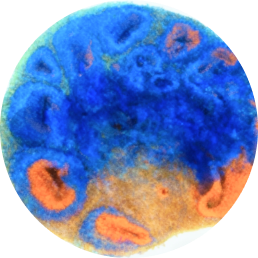
Mouse Ovarian Organoid is a 3D tissue model derived from mouse ovarian stem cells or primary ovarian epithelial progenitors. These organoids replicate the structure and function of the murine ovary, including key components such as granulosa cells, theca cells, and oocytes, while maintaining the ovarian microenvironment. They provide a physiologically relevant system for studying ovarian development, folliculogenesis, and ovarian diseases such as polycystic ovary syndrome (PCOS) and ovarian cancer. Mouse ovarian organoids are ideal for disease modeling, drug testing, and understanding the ovarian tissue response to various hormonal treatments. These organoids offer a more accurate representation of the mouse ovary compared to traditional 2D cultures. The organoids undergo rigorous testing for mycoplasma, bacteria, fungi/yeast, and are verified for identity, genetic stability, and functional performance.
Specifications & Applications
Growth Properties
Embedded 3D Culture
Quality Control
All test negative for mycoplasma, bacteria, yeast, and fungi.
Application
For research use only. Organoids can be maintained long-term and used for studying ovarian cancer biology, tumor progression, and therapeutic resistance. They also serve as powerful platforms for drug sensitivity testing, biomarker discovery, and preclinical evaluation of novel treatments in gynecologic oncology.