Description
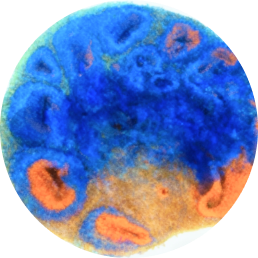
Human iPSC-Derived Retinal Organoid are three-dimensional (3D) tissue models derived from human induced pluripotent stem cells (iPSCs), designed to replicate the structure and function of the human retina. These organoids closely mimic key retinal features, including the differentiation of photoreceptor cells such as rods and cones, and express critical markers like rhodopsin, opsin, CRX, NRL, and OTX2. They provide a highly relevant platform for studying retinal development, photoreceptor differentiation, and outer segment formation. These organoids are ideal for investigating retinal diseases, modeling gene therapy, and exploring treatments for conditions like retinitis pigmentosa and macular degeneration. Human retinal organoids also serve as a valuable tool for studying the effects of AAV gene therapy and drug testing. The organoids undergo rigorous testing for mycoplasma, bacteria, fungi/yeast, and are verified for identity, genetic stability, and functional performance.
Specifications & Applications
Growth Properties
Embedded 3D Culture
Quality Control
All test negative for mycoplasma, bacteria, yeast, and fungi.
Application
For research use only. iPSC-derived organoids are used in various research fields, including disease modeling, drug discovery, gene therapy evaluation, and personalized medicine. They can replicate diverse disease states, providing reliable platforms for studying neurodegenerative diseases, cancer, cardiovascular conditions, and more. Additionally, organoids are valuable for drug efficacy and safety testing, tissue regeneration studies, and exploring host-microbe interactions, advancing innovation in biomedical research.