Description
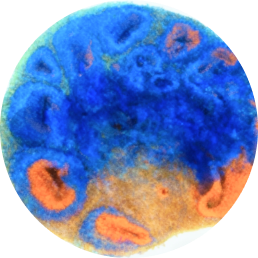
Human Colon Organoid is an advanced three-dimensional (3D) cell model constructed based on rectal tissue, using the natural LGR5 stem cell population for cultivation. These organ models can accurately retain the physiological structure and molecular pathological characteristics of the original tissue, and have high genetic stability and mature epithelial phenotype. The Danwang Medical human colon organoid model is cultivated from normal human colon stem cells in vitro, capable of self-formation, long-term growth and renewal, and having various types of mature intestinal epithelial cell organoids. After differentiation, the human colon organoids contain intestinal stem cells, proliferative cells, absorptive intestinal epithelial cells, goblet cells, intestinal endocrine cells, etc. Organoids are rigorously tested for mycoplasma, bacteria, fungi/yeast, and are verified for identity, genetic stability, and functional performance.
Specifications & Applications
Growth Properties
Embedded 3D Culture
Quality Control
All test negative for mycoplasma, bacteria, yeast and fungi.
Application
For research use only. Human Colon Organoids are widely used as advanced in vitro models that recapitulate the structure and function of the human colonic epithelium. They enable studies of intestinal development, epithelial regeneration, and disease modeling, including colorectal cancer and inflammatory bowel diseases. These organoids are also valuable for drug screening and toxicity testing, supporting the evaluation of therapeutic efficacy and safety. In addition, they facilitate host–microbe interaction studies and personalized medicine approaches using patient-derived samples.