Description
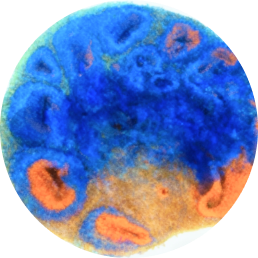
Human Normal Pancreas Organoid is a 3D in vitro model derived from human pancreatic tissue, designed to mimic the natural structure and function of the pancreas. This organoid model is ideal for studying pancreatic biology, including cellular interactions and studies of pancreatic cell function. It provides a robust platform for drug screening, toxicology assessments, and disease modeling, offering a more accurate representation of human pancreas function compared to traditional 2D cultures. The Human Normal Pancreas Organoid is essential for advancing research in diabetes, pancreatic development, and regenerative medicine, providing a powerful tool for therapeutic discovery and personalized medicine. Organoids are rigorously tested for mycoplasma, bacteria, fungi/yeast, and verified for identity, genetic stability, and functional performance.
Specifications & Applications
Growth Properties
Embedded 3D Culture
Quality Control
All test negative for mycoplasma, bacteria, yeast, and fungi.
Application
For research use only. Human Normal Pancreas Organoids are 3D culture models derived from human pancreatic tissue or stem cells, capable of simulating the structure and function of the normal pancreas. They are widely used in research on diabetes, pancreatic cancer, pancreatic regeneration, and drug screening, particularly for studying pancreatic beta-cell function, metabolic regulation, and cell–cell interactions. These organoid models provide a reliable in vitro platform for investigating the mechanisms of pancreatic-related diseases, exploring new therapeutic approaches, and evaluating therapeutic efficacy.