Description
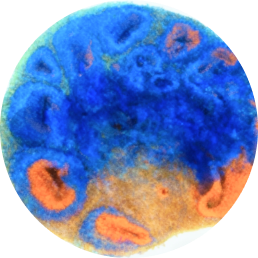
Human Normal Liver Organoid is a 3D self-organizing model constructed by culturing human liver tissue in vitro. It recapitulates key structural and functional features of the liver and can be maintained in long-term culture while preserving these characteristics. Compared to conventional 2D cell culture systems, liver organoids offer significant advantages in drug metabolism, liver toxicity evaluation, and disease research, providing strong support for drug screening, disease model establishment, and personalized treatment. Organoids are rigorously tested for mycoplasma, bacteria, fungi/yeast, and verified for identity, genetic stability, and functional performance.
Specifications & Applications
Growth Properties
Embedded 3D Culture
Quality Control
All test negative for mycoplasma, bacteria, yeast, and fungi.
Application
For research use only. Human Normal Liver Organoids have diverse applications in drug development and disease research. It is highly effective for liver toxicity evaluation, assessing hepatotoxicity and drug-induced liver injury. The model also serves as a platform for creating liver fibrosis and non-alcoholic fatty liver disease (NAFLD) models, aiding in the study of disease progression and the evaluation of potential therapies. Additionally, the organoid model provides essential cell sources for liver-on-a-chip systems, supporting high-throughput screening and disease modeling, enhancing the precision of drug discovery.