Description
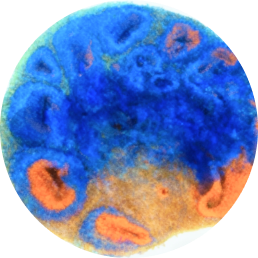
Porcine intestinal organoid are developed from pig intestinal stem cells and replicate the structure and function of the porcine gut. These organoids are essential tools in biomedical research, particularly for modeling gastrointestinal diseases that affect pigs and have human-like features. Due to their genetic and physiological similarities to humans, porcine organoids are often used for studying disease transmission, drug testing, and therapeutic development. Researchers rely on these organoids to explore intestinal infections and test potential interventions in a setting that mimics real-world conditions, offering a more accurate model compared to traditional cell cultures.
Specifications & Applications
Growth Properties
Embedded 3D Culture
Quality Control
All test negative for mycoplasma, bacteria, yeast, and fungi.
Application
For research use only. Intestinal organoids provide physiologically relevant models that overcome the limitations of traditional epithelial-only systems. leveraging human–pig physiological similarity for translational research, they enable advanced studies in intestinal development, inflammation, cancer, drug discovery, barrier function, neuro–immune regulation, and regenerative medicine, offering powerful tools for both basic research and therapeutic innovation.