Antibodies for Organoid Markers

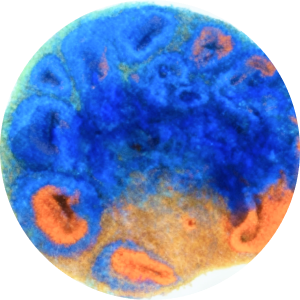
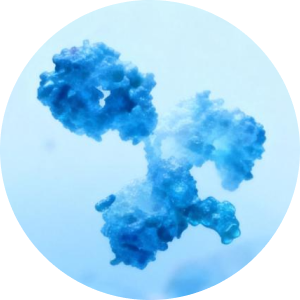
OgCelix offers a comprehensive portfolio of monoclonal and recombinant antibodies designed for organoid research, with applications in cancer biology, immunology, and neurobiology. With targets covering immune cell markers, tumor-associated antigens, and checkpoint molecules, these antibodies support a wide range of experimental workflows, including organoid characterization, disease modeling, and therapeutic development.

All organoid-specific antibodies are produced in-house with stringent quality control to ensure high specificity, strong affinity, and minimal lot-to-lot variability. Validated across multiple applications — such as flow cytometry (FC), immunohistochemistry (IHC), immunofluorescence (IF), western blotting (WB), and ELISA — they deliver reproducible, high-confidence results for both basic and translational research. Each antibody is selected and validated for organoid workflows. They enable applications such as stem cell lineage tracing, epithelial or neuronal marker staining, or tumor subtype identification.
Product Features 

  • Rigorous Quality Control

    Extensive testing ensures lot-to-lot consistency and reproducible results.

  • Multiple Formats Available

    Offered as unconjugated, fluorophore-conjugated, biotinylated, and recombinant antibodies.

  • Long-Term Stability

    Demonstrated genetic and phenotypic stability across extended culture periods, ensuring reproducibility.

Product Lists

  • Chromogranin A Antibody, Polyclonal, Rabbit

    Antibodies for Organoid Markers |A-028

    Chromogranin A Antibody, Polyclonal, Rabbit

    Host Species/Isotype

    Rabbit / IgG

    Species Reactivity

    Human, Mouse

    Product Form

    Liquid

  • Chromogranin A Antibody, Monoclonal, Mouse

    Antibodies for Organoid Markers |A-029

    Chromogranin A Antibody, Monoclonal, Mouse

    Host Species/Isotype

    Mouse / IgG1

    Species Reactivity

    Human, Mouse, Rat, Pig

    Product Form

    Liquid

  • Chromogranin A Antibody, Monoclonal, Rabbit

    Antibodies for Organoid Markers |A-030

    Chromogranin A Antibody, Monoclonal, Rabbit

    Host Species/Isotype

    Rabbit / IgG

    Species Reactivity

    Human, Mouse, Rat, Pig

    Product Form

    Liquid

  • Chromogranin A Antibody, Polyclonal, Rabbit, His-tag

    Antibodies for Organoid Markers |A-031

    Chromogranin A Antibody, Polyclonal, Rabbit, His-tag

    Host Species/Isotype

    Rabbit / IgG

    Species Reactivity

    Human, Mouse, Rat

    Product Form

    Liquid

  • LGR5 Antibody, Polyclonal, Rabbit

    Antibodies for Organoid Markers |A-032

    LGR5 Antibody, Polyclonal, Rabbit

    Host Species/Isotype

    Rabbit / IgG

    Species Reactivity

    Human, Mouse, Rat

    Product Form

    Liquid

  • Lysozyme Antibody, Monoclonal, Rabbit

    Antibodies for Organoid Markers |A-033

    Lysozyme Antibody, Monoclonal, Rabbit

    Host Species/Isotype

    Rabbit / IgG

    Species Reactivity

    Human

    Product Form

    Liquid

  • Lysozyme Antibody, Polyclonal, Rabbit

    Antibodies for Organoid Markers |A-034

    Lysozyme Antibody, Polyclonal, Rabbit

    Host Species/Isotype

    Rabbit / IgG

    Species Reactivity

    Human, Mouse, Rat

    Product Form

    Liquid

  • Lysozyme Antibody, Monoclonal, Mouse

    Antibodies for Organoid Markers |A-035

    Lysozyme Antibody, Monoclonal, Mouse

    Host Species/Isotype

    Mouse / IgG2a

    Species Reactivity

    Human, Mouse, Rat, Pig

    Product Form

    Liquid

  • LYZL1 Antibody, Polyclonal, Rabbit

    Antibodies for Organoid Markers |A-036

    LYZL1 Antibody, Polyclonal, Rabbit

    Host Species/Isotype

    Rabbit / IgG

    Species Reactivity

    Human, Mouse, Rat

    Product Form

    Liquid

Whether you're exploring disease mechanisms or screening novel therapeutics, OgCelix is your trusted partner.

Let's build the future of translational research together.

Let's Talk Now

Whether you're exploring disease mechanisms or screening novel therapeutics, OgCelix is your trusted partner.

Let's build the future of translational research together.

Let's Talk Now