Description
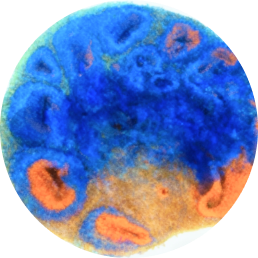
Human Familial Adenomatous Polyposis (FAP) Normal Duodenum Organoid are derived from biopsies of histologically normal duodenal mucosa, and they recapitulate the structure and function of the normal intestinal epithelium. The cell composition and arrangement of the epithelium make intestinal organoids useful for studying intestinal cell biology, regeneration, differentiation, as well as disease phenotypes including effects of specific mutations, microbiome, or inflammation processes. Organoids are rigorously tested for mycoplasma, bacteria, fungi/yeast, and verified for identity, genetic stability, and functional performance.
Specifications & Applications
Growth Properties
Embedded 3D Culture
Quality Control
All test negative for mycoplasma, bacteria, yeast, and fungi.
Application
For research use only. Organoid model enables studies of intestinal epithelial regeneration, stem cell dynamics, and differentiation. It is valuable for assessing how APC germline mutations affect cellular behavior before tumorigenic transformation. The organoid also supports research into inflammation, microbial interactions, and drug responses in genetically susceptible but phenotypically normal tissue—providing insights into early events in colorectal cancer development.