Description
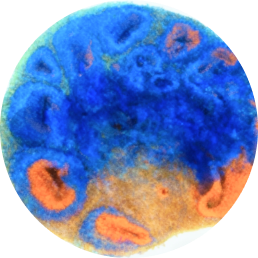
Human iPSC-derived cardiac organoids are three-dimensional, self-organizing microtissues generated from human dermal fibroblast–derived iPSCs reprogrammed with OCT4, SOX2, KLF4, and c-MYC using a non-integrating Sendai virus system. These organoids display chamber-like morphology, spontaneous contractility, and express key cardiac markers such as cTnT, α-actinin, NKX2.5, and connexin-43, while maintaining normal karyotype stability. Quality control includes rigorous testing for mycoplasma, bacteria, fungi/yeast, and verification of genetic integrity and functional performance. With integrated populations of cardiomyocytes, fibroblasts, and endothelial cells, they provide a physiologically relevant platform for modeling cardiomyopathies, arrhythmias, and ischemic injury, as well as for drug cardiotoxicity screening, electrophysiological studies, and regenerative medicine applications.
Specifications & Applications
Growth Properties
Embedded 3D Culture
Quality Control
All test negative for mycoplasma, bacteria, yeast, and fungi.
Application
For research use only. iPSC-derived organoids are used in various research fields, including disease modeling, drug discovery, gene therapy evaluation, and personalized medicine. They can replicate diverse disease states, providing reliable platforms for studying cancer, cardiovascular conditions, and more. Additionally, organoids are valuable for drug efficacy and safety testing, tissue regeneration studies, and exploring host-microbe interactions, advancing innovation in biomedical research.