Description
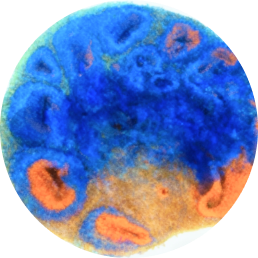
Human iPSC-Derived Colon Organoid are advanced three-dimensional (3D) cell models produced through directed differentiation of human induced pluripotent stem cells (iPSCs). These models replicate the architecture and physiological functions of the human colon, displaying self-organizing properties and complex biological behaviors that resemble natural tissue. With thorough quality control processes in place, they ensure high reproducibility, scalability, and genetic consistency, making them highly valuable for diverse applications in biomedical research. These organoids recreate the structure and function of the human intestine, incorporating a variety of cell types. This includes EPHB2+ transit amplifying (TA) cells, VILLIN+ epithelial cells, MUC2+ goblet cells, and Chromogranin A (CHGA+) endocrine cells, which are all integral to their complex structure. Additionally, these organoids are subject to stringent testing for contaminants such as mycoplasma, bacteria, and fungi, and are routinely verified for both genetic stability and functional accuracy.
Specifications & Applications
Growth Properties
Embedded 3D Culture
Quality Control
All test negative for mycoplasma, bacteria, yeast, and fungi.
Application
For research use only. iPSC-derived organoids are used in various research fields, including disease modeling, drug discovery, gene therapy evaluation, and personalized medicine. They can replicate diverse disease states, providing reliable platforms for studying neurodegenerative diseases, cancer, cardiovascular conditions, and more. Additionally, organoids are valuable for drug efficacy and safety testing, tissue regeneration studies, and exploring host-microbe interactions, advancing innovation in biomedical research.