Description
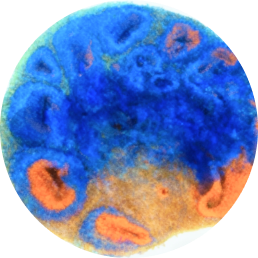
Human iPSC-Derived Midbrain Organoid derived from human induced pluripotent stem cell lines represent complex three-dimensional tissue models that mimic in vivo cell-cell interactions within the midbrain. Scanning electron microscopy (SEM) images reveal organoids composed of spherical, healthy cells predominantly consisting of healthy neuronal cells, with maturation timelines highly aligned with human cortical development. At the 2-month stage, these organoids are in the early phases of neurogenesis, primarily composed of neural progenitors and early-stage neurons. They are ideal for studying the initial differentiation processes and early-stage brain development, offering insights into how midbrain cells begin to form and mature.
Specifications & Applications
Growth Properties
Embedded 3D Culture
Quality Control
All test negative for mycoplasma, bacteria, yeast, and fungi.
Application
For research use only. Human iPSC-Derived Midbrain Organoids are three-dimensional cell models generated from human induced pluripotent stem cells (iPSCs) using directed differentiation techniques. These organoids closely mimic the structure and function of human organs, exhibiting self-organizing properties and biological behaviors similar to real tissues. They undergo rigorous quality control to ensure high fidelity, scalability, and genetic stability, making them ideal models for a wide range of biomedical research and applications.These 3D in vitro models replicate the cellular composition of the brain and highly express the dopaminergic neuron marker TH as well as the dopaminergic progenitor cell markers FOXA2 and OTX2. In addition, brain organoids also have functional characteristics such as spontaneous neuronal activity.