Description
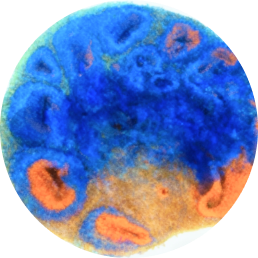
Human Pancreas Cancer Organoid is a 3D in vitro model derived from pancreatic cancer patient tissues or peritoneal/pleural effusions, cultured under 3D conditions. These organoids closely resemble the original tissue in terms of cellular characteristics, pathological features, and molecular profiles, making them a new in vitro tumor disease model. Human Pancreatic Cancer Organoids replicate tumor epithelial cell populations characteristic of pancreatic cancer, and provide a highly realistic environment for studying tumor biological processes, cancer progression, disease mechanisms, and responses to targeted therapies and drug treatments. By using immunohistochemical markers such as CK19 and Ki67, the cellular characteristics and proliferation of pancreatic organoids can be effectively evaluated. Pancreatic cancer organoids used for pancreatic cancer research and therapeutic evaluation, and they provide a platform for toxicity testing and drug screening. Organoids are rigorously tested for mycoplasma, bacteria, fungi/yeast, and verified for identity, genetic stability, and functional performance.
Specifications & Applications
Growth Properties
Embedded 3D Culture
Quality Control
All test negative for mycoplasma, bacteria, yeast, and fungi.
Application
For research use only. Human Pancreatic cancer organoid models are formed in vitro under three-dimensional culture conditions using tissues or pleural and peritoneal fluid from pancreatic cancer patients. They are similar to the source tissues in terms of cell characteristics, pathological histological features, and molecular characteristics, and represent a novel in vitro tumor disease model.