Description
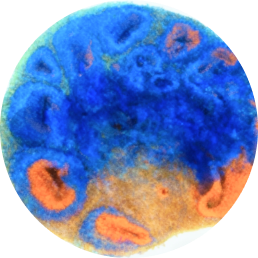
Human patient-derived lung cancer organoid are three-dimensional tissue models established from primary tumor cells obtained through surgical resection or biopsy of lung cancer patients. These organoids preserve the histological architecture, molecular features, and intratumoral heterogeneity of the parental tumor, including driver mutations, oncogene expression, and drug response patterns. H&E and IHC analyses showed that LCOs mimic parental adenocarcinoma tissues with acinar or glandular patterns and retain expression of napsin-A, TTF-1, and CK7. Rigorous quality control ensures freedom from mycoplasma, bacteria, and fungi/yeast, alongside verification of genetic stability and functional performance. Human patient-derived lung cancer organoids provide a physiologically relevant platform for modeling tumor progression, studying resistance mechanisms, testing targeted therapies and immunotherapies, and enabling personalized precision medicine strategies in oncology research.
Specifications & Applications
Growth Properties
Embedded 3D Culture
Quality Control
All test negative for mycoplasma, bacteria, yeast, and fungi.
Application
For research use only. Lung cancer organoid is an essential tool for drug discovery, disease modeling, biomarker research, and precision oncology. It enables high-throughput screening of chemotherapeutics and targeted agents, investigation of resistance pathways, and evaluation of personalized treatment strategies. When co-cultured with immune or stromal components, it supports immunotherapy research and microenvironment modeling, providing a robust platform for advancing lung cancer research and developing clinically relevant therapeutic approaches.