Description
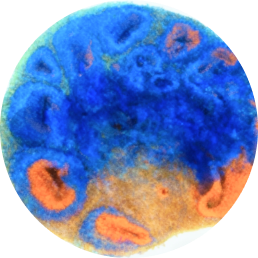
Mouse bile duct organoids are established from cholangiocyte progenitors of murine intrahepatic or extrahepatic bile ducts. They recapitulate the morphology, cellular composition, and functional characteristics of bile duct epithelium, including polarity and barrier properties. These models are valuable for investigating bile duct development, cholangiopathies, biliary fibrosis, cholangiocarcinoma, and for evaluating candidate therapeutics in hepatobiliary disease research.
Specifications & Applications
Growth Properties
Embedded 3D Culture
Quality Control
All test negative for mycoplasma, bacteria, yeast, and fungi.
Application
For research use only. Tissue-derived organoids are widely used in drug screening, disease modeling, mechanism research, personalized medicine, and regenerative medicine. By simulating authentic disease states, these organoids provide an ideal platform to assess patient responses to new drugs and assist in the design of personalized treatment plans. Additionally, they drive the development of new therapeutic approaches, particularly in cancer research and organ regeneration, offering precise experimental tools that greatly enhance the advancement of precision medicine.