Description
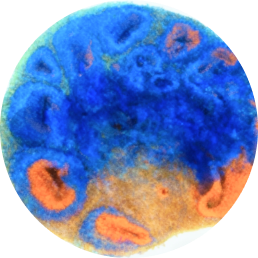
Mouse intestinal organoid are derived from embryonic mouse intestinal tissue, where intestinal stem cells (ISCs), intestinal mesenchymal cells (IMCs), and enteric neural crest cells (ENCCs) can be isolated simultaneously, minimizing individual variability while maintaining strong stemness and physiological relevance. These organoids typically form cystic or budding structures with a central lumen surrounded by columnar epithelial cells, and neuronal components can be incorporated to enhance functional complexity. With advantages such as small body size, short reproductive cycle, and ease of breeding, mouse intestinal organoids serve as a valuable model for studying intestinal diseases, drug screening, toxicology assessment, and neuro–gut interactions. Organoids are rigorously tested for mycoplasma, bacteria, fungi/yeast, and verified for identity, genetic stability, and functional performance.
Specifications & Applications
Growth Properties
Embedded 3D Culture
Quality Control
All test negative for mycoplasma, bacteria, yeast, and fungi.
Application
For research use only. Intestinal organoids provide physiologically relevant models that overcome the limitations of traditional epithelial-only systems. Optimized for preclinical small-animal studies, they enable advanced research in intestinal development, inflammation, cancer, drug discovery, barrier function, neuro–immune regulation, and regenerative medicine, offering powerful tools for both basic research and therapeutic innovation.