Description
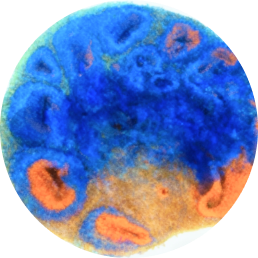
Mouse liver organoids are derived from embryonic or neonatal mouse liver tissue, where hepatic progenitor cells (HPCs), liver mesenchymal cells (LMCs), and liver sinusoidal endothelial cells (LSECs) can be isolated in parallel, minimizing donor-to-donor variability while preserving stemness and physiological relevance. Organoids typically appear as cystic or solid spheroids and branching cholangiocyte-like structures, forming bile canaliculi–like networks; Kupffer cells and hepatic stellate cells can be incorporated to model immune and fibrotic responses. With small body size, short breeding cycles, and easy husbandry, mouse liver organoids are widely used for liver disease modeling (metabolism, inflammation, fibrosis), drug screening and DILI/toxicology, ADME/DMPK studies, and liver–immune crosstalk. All organoids are screened for mycoplasma, bacteria, and fungi/yeast, and are verified for identity, genetic stability, and functional performance (e.g., albumin secretion, urea production, CYP450 induction)
Specifications & Applications
Growth Properties
Embedded 3D Culture
Quality Control
All test negative for mycoplasma, bacteria, yeast, and fungi.
Application
For research use only. Tissue-derived organoids are widely used in drug screening, disease modeling, mechanism research, personalized medicine, and regenerative medicine. By simulating authentic disease states, these organoids provide an ideal platform to assess patient responses to new drugs and assist in the design of personalized treatment plans. Additionally, they drive the development of new therapeutic approaches, particularly in cancer research and organ regeneration, offering precise experimental tools that greatly enhance the advancement of precision medicine.